

Why Industries Need SAP Business One

Why Small and Midsize Businesses Need SAP Business One
In today’s competitive landscape, businesses of all sizes and sectors strive for efficiency, streamlined operations, and robust growth. SAP Business One (SAP B1) has emerged as a critical enabler, helping companies achieve these goals with its comprehensive suite of tools. This blog explores why industries need SAP Business One, highlighting its manifold benefits and identifying the sectors that derive the most significant advantages from this powerful ERP solution.
Benefits of SAP Business One
1. Enhanced Operational Efficiency
SAP Business One integrates core business functions, such as finance, sales, inventory, and production, into a single platform. This integration eliminates data silos, ensuring that information flows seamlessly across departments. The result is improved coordination and faster decision-making, boosting overall operational efficiency.
2. Real-time Data Access
With SAP B1, businesses gain access to real-time data and analytics. This capability is invaluable for making informed decisions quickly. Managers and executives can monitor key performance indicators (KPIs), track progress, and respond promptly to market changes or internal issues.
3. Scalability and Flexibility
SAP Business One is designed to grow with your business. Its scalable architecture allows companies to add functionalities and users as they expand. This flexibility ensures that the ERP system remains relevant and valuable, regardless of the company’s size or industry.
4. Improved Customer Relationship Management (CRM)
SAP B1 includes robust CRM capabilities, enabling businesses to manage customer interactions more effectively. Companies can track customer history, preferences, and interactions, leading to more personalized service and stronger customer relationships.
5. Streamlined Financial Management
Managing finances becomes simpler and more accurate with SAP Business One. The software automates key financial processes, including accounting, budgeting, and reporting. This automation reduces errors and frees up time for strategic financial planning.
6. Enhanced Inventory and Production Management
For industries that rely on inventory and production processes, SAP B1 offers advanced tools for managing stock levels, production schedules, and supply chain logistics. These tools help ensure that production runs smoothly and inventory levels are optimized.
7. Regulatory Compliance
SAP Business One helps businesses stay compliant with industry regulations and standards. The software provides tools for managing compliance documentation and tracking regulatory changes, reducing the risk of non-compliance.
Industries Benefiting Most from SAP Business One
1. Manufacturing
Manufacturers benefit significantly from SAP Business One’s capabilities in production planning, inventory management, and quality control. The software helps streamline operations, reduce waste, and improve product quality, making it ideal for the manufacturing sector.
2. Retail
The retail industry thrives on efficiency and customer satisfaction. SAP B1 supports these goals with features for managing sales, inventory, and customer relationships. Retailers can optimize their stock levels, enhance the shopping experience, and boost sales with the help of this ERP solution.
3. Wholesale Distribution
For wholesale distributors, SAP Business One offers tools for managing the supply chain, inventory, and customer orders. The software helps ensure timely deliveries, reduces stockouts, and improves overall supply chain efficiency.
4. Professional Services
Professional services firms, such as consulting and legal services, benefit from SAP B1’s project management and financial tools. The software helps track project progress, manage billing, and ensure that projects stay within budget.
5. Healthcare
In the healthcare industry, SAP Business One supports efficient management of patient records, billing, and regulatory compliance. The software’s CRM capabilities also help healthcare providers improve patient care and satisfaction.
6. Food and Beverage
The food and beverage industry requires precise inventory management and traceability. SAP B1 helps businesses in this sector manage their supply chains, ensure product quality, and comply with stringent regulations.
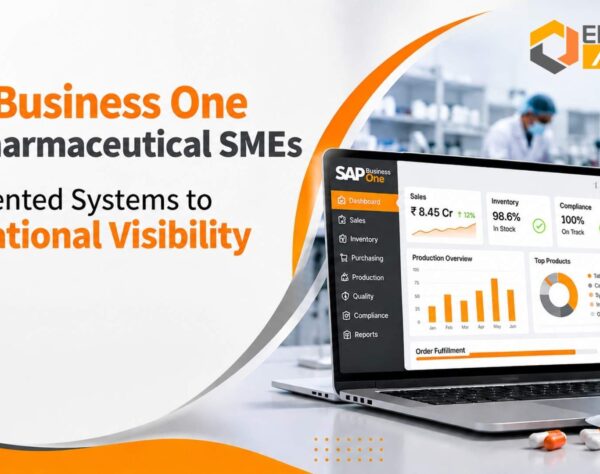
7. Pharmaceuticals
Pharmaceutical companies benefit from SAP Business One’s ability to manage complex manufacturing processes, regulatory compliance, and quality control. The software ensures that production meets industry standards and that products are safe and effective.
The Essential Role of SAP B1 in Modern Industries
SAP Business One is a powerful ERP solution that offers numerous benefits to businesses across various industries. By enhancing operational efficiency, providing real-time data access, and streamlining critical processes, SAP B1 enables companies to achieve their goals and drive growth. Whether in manufacturing, retail, healthcare, or any other sector, businesses can leverage the capabilities of SAP Business One to stay competitive and thrive in the modern market.
Explore how SAP Business One and our tailored solutions can transform your business. Visit Emerging Alliance to learn more!
FAQs
1. How does SAP Business One handle multi-location inventory and warehouse synchronization?
SAP Business One supports centralized inventory visibility across multiple warehouses and locations, with real-time stock updates, automated replenishment rules, and inter-warehouse transfers—helping avoid stock mismatches and delays.
2. What customization options are available in SAP B1 for industry-specific workflows?
SAP B1 allows deep customization through SDKs, add-ons, and user-defined fields, enabling businesses (like manufacturing or pharma) to tailor processes such as batch tracking, compliance workflows, or production cycles.
3. How does SAP Business One ensure compliance in highly regulated industries like pharmaceuticals and food?
It includes batch/lot traceability, audit trails, quality control checkpoints, and documentation management to meet regulatory standards such as GMP and food safety regulations.
4. Can SAP Business One integrate with existing eCommerce platforms and third-party tools?
Yes, SAP B1 integrates with platforms like Shopify, Magento, and other third-party applications via APIs or middleware, ensuring seamless data flow between sales channels, accounting, and inventory.
5. What kind of real-time reporting capabilities does SAP Business One provide for decision-makers?
It offers customizable dashboards, KPI tracking, and advanced analytics powered by SAP HANA, allowing leaders to drill down into financials, sales trends, and operational metrics instantly.
6. How scalable is SAP Business One for a growing business expanding into new regions or markets?
SAP B1 supports multi-currency, multi-language, and localization features for different countries, making it suitable for businesses planning regional or global expansion.
7. What are the deployment options for SAP Business One, and how do they impact cost and maintenance?
Businesses can choose between on-premise and cloud deployment. Cloud reduces upfront infrastructure costs and IT maintenance, while on-premise offers greater control over data and customization.
8. How does SAP Business One improve demand forecasting and production planning in manufacturing?
It uses historical data, sales forecasts, and MRP (Material Requirements Planning) tools to optimize production schedules, reduce waste, and ensure timely procurement of raw materials.
9. What is the typical implementation timeline for SAP Business One in SMEs?
Implementation can range from 6 weeks to several months depending on business complexity, data migration needs, and customization requirements.
10. How does SAP Business One enhance customer lifecycle management beyond basic CRM functions?
It provides end-to-end visibility—from lead generation to after-sales service—integrating sales, service tickets, and customer history to improve retention and personalized engagement.
Want to speak to an expert? Fill in the form below, and we will be in touch with you shortly!