


ABAD Fisheries, Kerala – SAP-Led Family Business Transition
The Approach: How Emerging Alliance Institutionalized ABAD Fisheries
Executive Overview
ABAD Fisheries, Kerala, a leading player in the fisheries industry, was founded by Mr. Usman Mohammed Hashim, whose entrepreneurial vision built a strong foundation for growth. As the business transitioned to the second generation—Sheraz, Faraz, and Usman—the organization faced the critical challenge of scaling operations while reducing dependency on founder-driven decision-making. This marked the beginning of a strategic transformation journey with Emerging Alliance, leveraging SAP to institutionalize and future-proof the business.

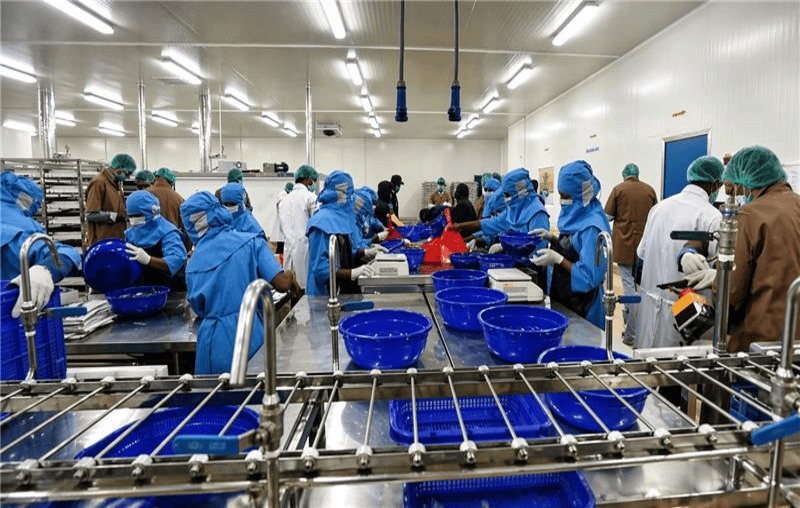
ABAD Fisheries partnered with Emerging Alliance (EA) to transform a founder-led seafood enterprise into a scalable, system-driven organization using SAP S/4HANA.
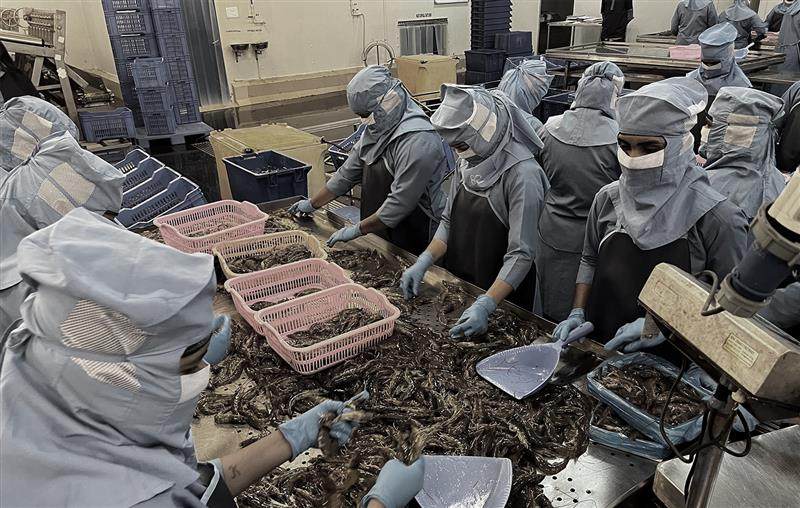
EA focused on embedding operational discipline, real-time visibility, and governance directly into SAP — tailored to the complexities of the fisheries industry (procurement volatility, cold storage, exports, compliance).
1. Process Discipline – Built into SAP Workflows
EA digitized and standardized core fisheries operations inside SAP:
- Implemented Catch Procurement → Quality Check → Cold Storage → Processing → Export Billing cycle
- Configured batch-wise inventory management for traceability of seafood lots
- Standardized Procure-to-Pay workflows for fishermen/vendors with rate and quality controls
- Designed export documentation workflows (invoicing, packing list, compliance docs)
- Embedded multi-level approvals for procurement pricing and export deals
👉 Result: Operations moved from manual and experience-driven to structured, SAP-driven workflows
2. Data Visibility – Real-Time Operational & Financial Insights
EA established SAP as the central intelligence layer for the business:
- Implemented real-time dashboards for procurement cost, yield, wastage, and export revenue
- Enabled batch-level profitability tracking (catch → processed output → sale value)
- Configured inventory visibility across cold storage and processing units
- Built financial dashboards for receivables, payables, and working capital
- Integrated procurement, production, and finance into a unified data model
👉 Result: Leadership gained real-time visibility into margins, wastage, and profitability drivers
3. Institutional Control – System-Driven Governance
EA replaced dependency on founder oversight with SAP-enforced controls:
- Configured approval matrices for procurement rates, export pricing, and expenses
- Enabled end-to-end traceability (batch tracking for compliance and quality audits)
- Implemented segregation of duties (SoD) across procurement, finance, and operations
- Established audit trails for every transaction and master data change
- Introduced budget controls and cost monitoring mechanisms
👉 Result: Governance shifted from person-based control to system-enforced accountability
The SAP Backbone
- Unified Procurement, Processing, Inventory, Sales (Exports), and Finance
- Eliminated manual tracking and reconciliation across departments
- Built a scalable ERP foundation for export-driven growth
Before vs After – With Measurable Impact ABAD Fisheries
| Area | Before SAP (Founder-Driven) | After SAP (EA + SAP-Enabled) | Measured Impact |
| Decision Making | Founder-led, based on experience | Data-driven decisions via SAP dashboards | ⚡ 60–70% faster decisions |
| Procurement (Catch Buying) | Price variability, no structured control | Controlled procurement with approvals & rate tracking | 💰 10–15% cost optimization |
| Inventory (Cold Storage) | Limited visibility, spoilage risk | Batch-wise tracking with real-time visibility | 📦 20–30% reduction in wastage |
| Production Yield | No clear input vs output tracking | Yield tracking (raw catch vs processed output) | 📈 8–12% improvement in yield efficiency |
| Export Process | Manual documentation, delays | Integrated export workflows in SAP | 🚢 25–35% faster export cycle |
| Data & Reporting | Excel-based, delayed | Real-time dashboards and centralized data | ⏱ 80–90% faster reporting |
| Financial Control | Limited visibility on receivables/payables | Automated AR/AP with aging and tracking | 💵 15–25% faster collections |
| Profitability Visibility | No batch-level margin clarity | Profitability by batch, product, and customer | 📊 10–15% margin improvement |
| Compliance & Traceability | Difficult to track batches | Full traceability for audits and quality checks | ✔️ 100% compliance readiness |
| Business Continuity | High dependency on founder | System-driven operations across teams | 🚀 90% reduction in key-person dependency |
| Scalability | Limited expansion capability | ERP-enabled multi-location scalability | 🌍 2–3x growth readiness |
| Accountability | Undefined ownership | Role-based control within SAP | 👥 Clear accountability across functions |
Business Impact Summary
👉 20–30% Reduction in Inventory Wastage
👉 10–15% Procurement Cost Optimization
👉 8–12% Improvement in Processing Yield
👉 25–35% Faster Export Cycles
👉 15–25% Faster Collections (Improved Cash Flow)
👉 80–90% Faster Reporting & Visibility
Strategic Outcome
👉 ABAD Fisheries transformed from a founder-driven seafood business into a fully institutionalized, SAP-powered export enterprise.
👉 More importantly — the second-generation leadership (Sheraz, Faraz, Usman) now operates the business on systems, not dependency.
Summary
From Catch to Cash — Fully Controlled, Fully Visible, Fully Scalable with SAP