
How Much Does SAP Business One Pricing for Glass Manufacturing Industry?
How Much Does SAP Business One Cost for Glass Manufacturing Industry? Complete SAP Business One Pricing Guide
SAP Business One Pricing for Glass Manufacturing Industry solutions help manufacturers control costs, optimize production, and improve operational efficiency in the competitive glass industry. The glass manufacturing industry operates in a highly competitive environment where raw material control, batch production, wastage tracking, and compliance play critical roles. Investing in the right ERP solution is essential. One of the most popular choices is SAP Business One Pricing, but how much does it actually cost for glass manufacturers? This guide explains licensing, implementation, and total investment clearly—so you can make a confident decision.
SAP Business One Pricing for Glass Manufacturing Industry: Why It Matters
Industry-specific costing challenges
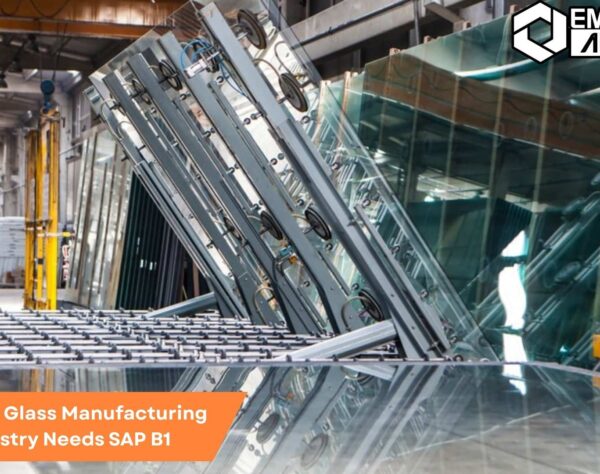
Glass manufacturers deal with fluctuating silica, soda ash, and energy costs. An ERP must track real-time material consumption and furnace efficiency.
Batch production and wastage control
Accurate yield management reduces production losses. SAP B1 Pricing often depends on the number of users and modules needed for such tracking.
Compliance and quality reporting
Traceability for tempered, laminated, or float glass requires strong reporting capabilities.
An affordable ERP solution like SAP Business One ensures financial visibility while optimizing production processes.
SAP Business One Pricing Plan & Cost Calculator Overview
What determines SAP Business One cost?
Pricing depends on:
- Type of SAP B1 license
- Number of users
- Deployment type
- Customization needs
- SAP B1 implementation services
Using SAP B1 Pricing Plan Calculator
A SAP B1 Pricing Plan Calculator helps estimate:
- License fees
- Add-on module costs
- Implementation Costs
- Annual maintenance
This structured approach prevents budget surprises.
SAP B1 Licensing Options for Glass Manufacturers
Perpetual License:
- One-time license purchase
- Higher upfront investment
- Annual maintenance fee applies
Subscription License:
- Monthly or yearly payments
- Lower initial cost
- Ideal for growing mid-sized glass companies
SAP Business One pricing varies significantly between these models. Companies planning long-term scalability often compare SAP ERP Pricing models before finalizing.
SAP Business One Pricing Breakdown: What You Actually Pay
SAP B1 License Cost
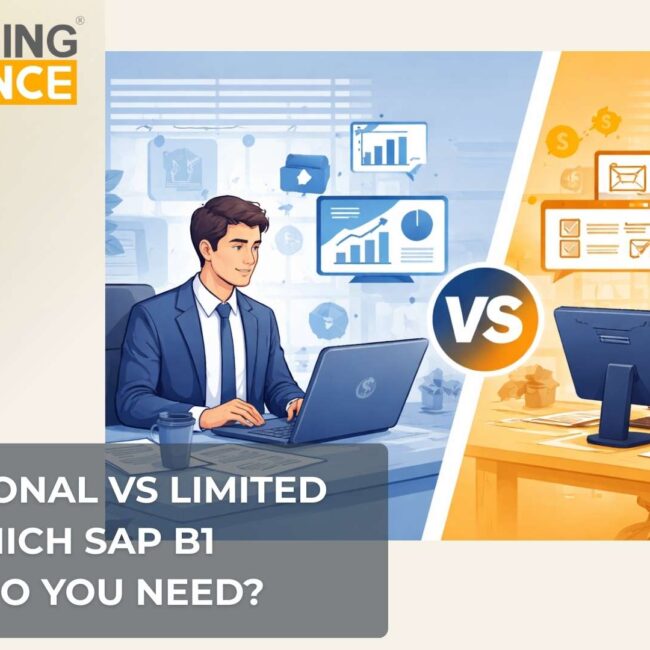
- Professional User License
- Limited User License (Financial, CRM, Logistics)
License costs vary by region and SAP partners.
Implementation Costs
SAP B1 implementation includes:
- Requirement analysis
- System configuration
- Data migration
- User training
- Go-live support
For glass manufacturing, implementation services may include:
- Production module customization
- Batch tracking setup
- Quality inspection workflows
Add-ons and Customization
Glass industry may need:
- Production planning add-ons
- Quality management tools
- Advanced reporting dashboards
This impacts total SAP Business One cost.
SAP Business One Pricing vs Business Benefits
Inventory optimization
Track raw materials like silica and cullet efficiently.
Production visibility
Monitor furnace loads and batch yields.
Financial transparency
Real-time cost analysis by product line.
Improved decision-making
Integrated ERP solution improves forecasting.
Even though SAP B1 Pricing Cost might appear significant initially, ROI often justifies the investment within 18–36 months.
SAP B1 Pricing Plans Compared for Glass Industry
Small Glass Processing Units
- 3–5 users
- Subscription License recommended
- Basic finance + inventory modules
Mid-Sized Glass Manufacturers
- 10–25 users
- Production module required
- Custom quality management
Large Glass Plants (Multi-Location)
- 25+ users
- Advanced analytics
- Multiple warehouse tracking
SAP Business One Pricing plans scale according to company size and operational complexity.
Hidden Costs in SAP Business One Pricing
Annual maintenance fees
Typically 18–22% of license value.
Infrastructure cost
If on-premise, server and IT maintenance required.
Upgrade charges
Major version upgrades may involve additional services.
Training and support
Continuous training ensures maximum ROI.
Discussing these with certified SAP partners prevents unexpected expenses.
SAP Business One Implementation Journey for Glass Industry
Phase 1: Requirement Study
Understanding production flow and costing structure.
Phase 2: System Design
Configuring modules aligned with furnace operations.
Phase 3: Data Migration
Transferring legacy production and inventory data.
Phase 4: Testing & Go-Live
Parallel run before full deployment.
The SAP B1 Journey requires experienced SAP partner collaboration to ensure smooth transition.
SAP Business One Pricing in India: Market Perspective
Glass manufacturers in India often compare:
- SAP Business One Pricing
- Other ERP solution options
- Cloud-based affordable ERP solution alternatives
Working with local SAP partners reduces implementation cost and ensures compliance with GST regulations.
SAP Business One Cost Calculator Example (Estimated Scenario)
Let’s assume a mid-sized glass manufacturer:
- 15 Professional Users
- 5 Limited Users
- Production add-on
- 6 months implementation
Estimated investment range:
- License cost
- Implementation services
- Customization
- Annual support
Actual SAP Business One Pricing varies depending on negotiation and SAP B1 package selection.
Is SAP Business One a Cost-Effective ERP Solution for Glass Manufacturing?
Yes, if:
- You need integrated finance + production
- You want scalability
- You require compliance-ready reports
- You aim to reduce wastage
SAP B1 Licensing combined with proper SAP B1 implementation strategy ensures measurable operational improvement.
Conclusion: Optimized SAP Business One Pricing Strategy for Glass Manufacturing Industry
SAP Business One Pricing for glass manufacturing industry is influenced by multiple factors including licensing model, number of users, customization requirements, and implementation services. Choosing between a Perpetual License and a Subscription License significantly impacts the initial investment and long-term financial planning.
Although the upfront SAP Business One cost may vary depending on company size and operational complexity, the long-term value is substantial. Improved cost control, better production planning, accurate batch tracking, and compliance-ready reporting make it a cost-effective ERP solution for modern glass manufacturers.
By carefully evaluating requirements using a SAP B1 Pricing Plan Calculator and collaborating with experienced SAP partners, businesses can optimize their SAP B1 implementation strategy and maximize return on investment. Strategic planning ensures that SAP Business One becomes not just an ERP solution, but a scalable growth platform for the glass manufacturing industry.
Emerging Alliance helps glass manufacturers unlock the full potential of SAP Business One with tailored pricing and implementation strategies. By leveraging our expertise, businesses can accurately plan costs, choose the right licensing model, and customize the system to fit unique operational needs. Our hands-on guidance ensures smooth deployment, improved production efficiency, precise batch tracking, and compliance-ready reporting—turning SAP Business One into a scalable growth platform that maximizes ROI for modern glass manufacturing companies.
SAP Business One Pricing FAQs for Small Glass Manufacturing Companies
1. How much does SAP Business One cost for a small glass manufacturing company?
SAP Business One cost depends on the number of users and the type of license chosen. Small glass manufacturing companies typically opt for subscription licensing to reduce upfront expenses and manage costs more flexibly.
2. What is included in SAP Business One pricing?
SAP Business One pricing includes license fees, implementation costs, any required customization, and annual maintenance charges to ensure smooth operation and support.
3. Is SAP B1 suitable for the glass manufacturing industry?
Yes, SAP Business One is suitable for glass manufacturers as it supports batch production, inventory tracking, and seamless financial integration tailored for the industry.
4. What is the difference between Perpetual License and Subscription License?
A Perpetual License requires a one-time payment along with annual maintenance fees, whereas a Subscription License involves periodic payments with a lower initial investment, offering more flexibility for small businesses.
5. Can SAP B1 handle multi-location glass plants?
Yes, SAP Business One supports multi-warehouse and multi-branch management, enabling efficient operations across multiple plant locations.
6. How long does SAP B1 implementation take?
Implementation of SAP Business One usually takes between 3 to 9 months, depending on the complexity of customization and the size of the company.
7. Are there hidden costs in SAP Business One pricing?
Additional costs may arise from optional add-ons, infrastructure setup, software upgrades, and extended support services, so these should be considered when budgeting.
8. How can I calculate SAP B1 pricing cost accurately?
Accurate pricing can be calculated by using a SAP B1 Pricing Plan Calculator and consulting with certified SAP partners who can tailor the plan to your specific business needs.
9. Is SAP Business One an affordable ERP solution?
For growing glass manufacturers, SAP Business One is considered an affordable ERP solution due to its scalability, industry-specific features, and potential return on investment (ROI).
10. Does SAP Business One support GST compliance in India?
Yes, SAP Business One supports GST reporting and compliance requirements, helping Indian companies meet statutory obligations efficiently.