
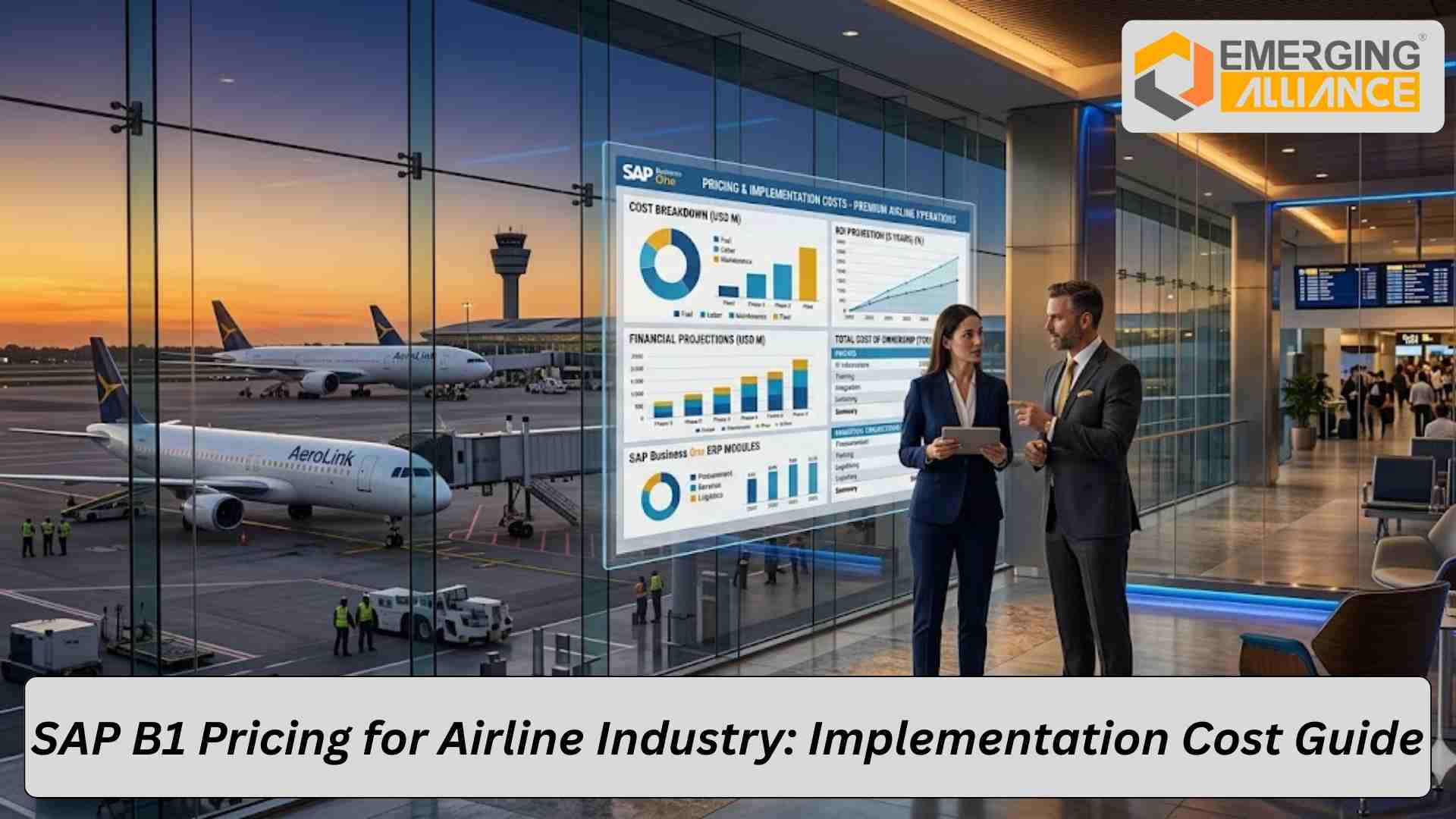
SAP B1 Pricing for Airline Industry: Implementation Cost Guide
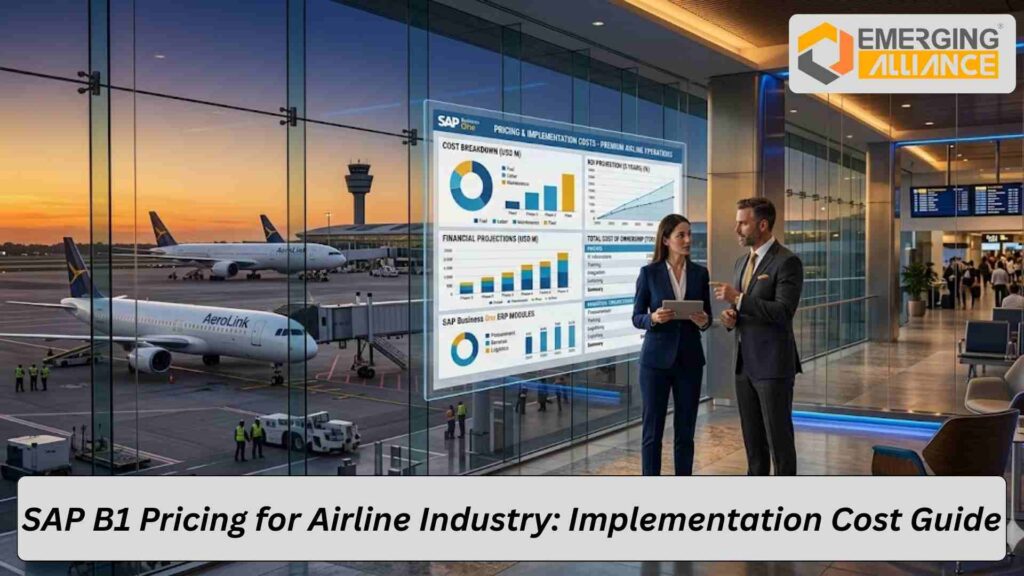
SAP B1 Pricing for Airline Industry: Complete Implementation Cost Guide
Implementing an ERP system like SAP B1 in the airline industry is a significant investment. Airlines need a comprehensive solution to streamline operations, manage finances, and optimize resources. Understanding SAP B1 pricing for the airline industry is crucial for decision-makers planning ERP deployment. This guide explores implementation costs, pricing factors, and practical tips to maximize ROI.
Factors Affecting SAP B1 Pricing for Airlines
Several variables influence SAP B1 implementation costs. Airlines should consider these factors carefully to budget effectively.
- Deployment Type: Cloud vs On-Premise solutions have different pricing models. Cloud ERP usually involves subscription fees, while on-premise requires upfront licensing and infrastructure costs.
- Number of Users: Pricing scales based on how many users access the system. Airlines with multiple departments and staff will see higher costs.
- Customization Needs: Tailoring SAP B1 to airline-specific processes like ticketing, fleet management, and maintenance tracking affects the overall price.
- Third-Party Integrations: Integration with existing systems such as booking engines, HR software, and aviation regulatory compliance tools can increase costs.
- Support and Training: Post-implementation support, training sessions, and updates can add to the total investment.
SAP B1 Licensing Models in Airline Industry
Understanding licensing options helps airlines select the most cost-effective plan.
- Professional User License: Provides full access for employees handling finance, operations, and management tasks.
- Limited User License: Ideal for staff needing restricted access, such as ticketing agents or ground staff.
- Starter Package: Some airlines opt for a starter package to cover essential modules, gradually scaling as the organization grows.
Typical Implementation Cost Breakdown
Breaking down the costs gives airlines clarity on budgeting.
- Software Licensing: $3,000–$7,500 per user (depending on license type and deployment method)
- Implementation Services: $50,000–$200,000 depending on customization and process complexity
- Training Costs: $5,000–$20,000 for staff training and knowledge transfer
- Maintenance & Support: Annual costs may range from 15–20% of the total software investment
Airlines should plan for additional contingencies like integration with existing aviation systems and compliance software.
Cost-Saving Strategies for Airlines
Even large-scale ERP implementations can be cost-optimized:
- Phased Implementation: Deploy core modules first and expand gradually.
- Cloud Deployment: Reduces infrastructure expenses and upfront capital investment.
- Standardized Processes: Minimize customizations by adapting airline processes to SAP B1 best practices.
- Vendor Negotiation: Explore discounts for multi-year contracts or large-scale licensing.
Benefits of SAP B1 Investment for Airlines
While SAP B1 pricing can be significant, the long-term benefits justify the investment:
- Operational Efficiency: Automated workflows reduce errors and delays.
- Real-Time Analytics: Improved decision-making with centralized data.
- Regulatory Compliance: Helps airlines meet aviation safety and financial reporting standards.
- Scalability: As airline operations grow, SAP B1 can scale to accommodate additional users and modules.
Return on Investment (ROI) for Airline ERP
Calculating ROI helps airlines justify SAP B1 pricing:
- Reduced Operational Costs: Automation lowers labor costs and errors.
- Increased Revenue: Streamlined operations improve scheduling, fleet utilization, and customer satisfaction.
- Enhanced Forecasting: Real-time data improves demand forecasting for tickets, cargo, and maintenance.
Common Challenges in SAP B1 Implementation
Airlines should be aware of typical obstacles:
- Data Migration: Transferring legacy data accurately can be time-consuming.
- Change Management: Staff adoption may take time, requiring proper training and communication.
- Customization Overload: Excessive customizations may inflate costs and slow deployment.
Conclusion: Maximizing ROI with SAP B1 in the Airline Industry
Implementing SAP Business One in the airline industry is a strategic investment. By understanding SAP B1 pricing, deployment options, and key cost drivers, airlines can make informed decisions. Careful planning, leveraging cost-saving strategies, and choosing scalable deployment models help airlines improve operational efficiency and maximize return on investment.
Implementing SAP Business One in the airline industry is a strategic investment. By understanding SAP B1 pricing, deployment options, and key cost drivers, airlines can make informed decisions. With careful planning, leveraging cost-saving strategies, and choosing scalable deployment models, airlines can significantly improve operational efficiency and maximize ROI. Emerging Alliance is your trusted partner in this journey, providing expert guidance, seamless implementation, and ongoing support to help airlines unlock the full potential of SAP B1.
Frequently Asked Questions About SAP B1 Pricing for Airlines
1. How is SAP B1 pricing structured for the airline industry?
SAP B1 pricing for airlines is determined by a combination of license type (Professional vs Limited), number of users, deployment model (cloud or on-premise), level of industry-specific customization, and integration with legacy systems such as reservation, fleet management, and crew scheduling. Total Cost of Ownership (TCO) also accounts for training, data migration, ongoing support, and compliance reporting features.
2. What drives implementation costs for medium-sized airlines?
Implementation costs depend on business complexity, number of operational modules required (finance, inventory, HR, maintenance, and flight operations), data migration volume, and integration with airline-specific software (e.g., PSS, GDS, or ERP-connected maintenance systems). Costs can range from $50,000 to $200,000, excluding annual licensing and support fees.
3. Does SAP B1 support cloud deployment for airlines?
Yes. Cloud deployment allows airlines to reduce upfront CAPEX, leverage subscription-based pricing, enable remote access for multi-location operations, and simplify system upgrades. Cloud solutions also support scalability for seasonal fluctuations in passenger traffic and fleet expansions.
4. What factors influence SAP B1 licensing fees for airlines?
Licensing fees are affected by the number of concurrent users, type of license (full Professional users vs Limited users), additional modules for airline operations (fleet maintenance, crew management, ticketing integration), and regional regulatory compliance requirements. Add-ons like analytics, IoT dashboards, or advanced reporting may incur additional fees.
5. How does SAP B1 integrate with existing airline systems?
SAP B1 can integrate with airline reservation systems, GDS/PSS platforms, HR systems, fleet management, maintenance logs, and financial accounting software. Integration ensures seamless data flow, accurate revenue recognition, real-time operational visibility, and consolidated reporting across departments.
6. How can airlines reduce implementation and total costs?
Cost optimization strategies include phased deployment starting with core modules, standardizing operational workflows, leveraging cloud infrastructure, using pre-configured industry templates, and working with certified SAP partners experienced in airline ERP deployments.
7. Is SAP B1 suitable for small regional airlines?
Yes. SAP B1’s modular architecture allows small and regional carriers to implement essential modules like finance, inventory, and HR first, and scale to additional modules such as maintenance, ticketing integration, and analytics as their operations grow.
8. How long does SAP B1 implementation typically take in the airline industry?
Implementation timelines vary from 3 to 6 months for small to mid-sized airlines and can extend to 9–12 months for large carriers with multi-location operations, complex integrations, and extensive regulatory compliance requirements. Phased rollouts and change management practices help minimize operational disruption.
9. What ongoing costs should airlines plan for after deployment?
Airlines should budget for annual support and maintenance (typically 15–20% of software cost), cloud subscription fees (if applicable), periodic system upgrades, module expansions, and additional training for staff as processes evolve or fleet operations expand.
10. How does SAP B1 improve operational efficiency for airlines?
SAP B1 centralizes financial, operational, and inventory data, automates workflows, supports real-time analytics, and reduces manual errors. It improves scheduling, fleet maintenance planning, and crew management while enabling faster, data-driven decisions that enhance overall airline productivity and passenger service quality.