
SAP B1 ERP for Steel Industry: Boost Production & Inventory
SAP Business One ERP: Revolutionizing Operations for Steel Companies
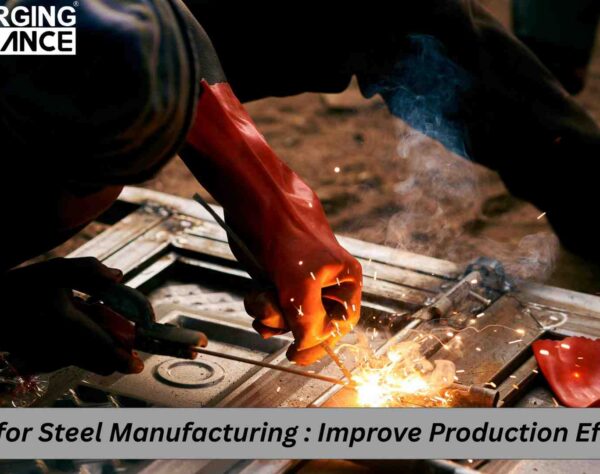
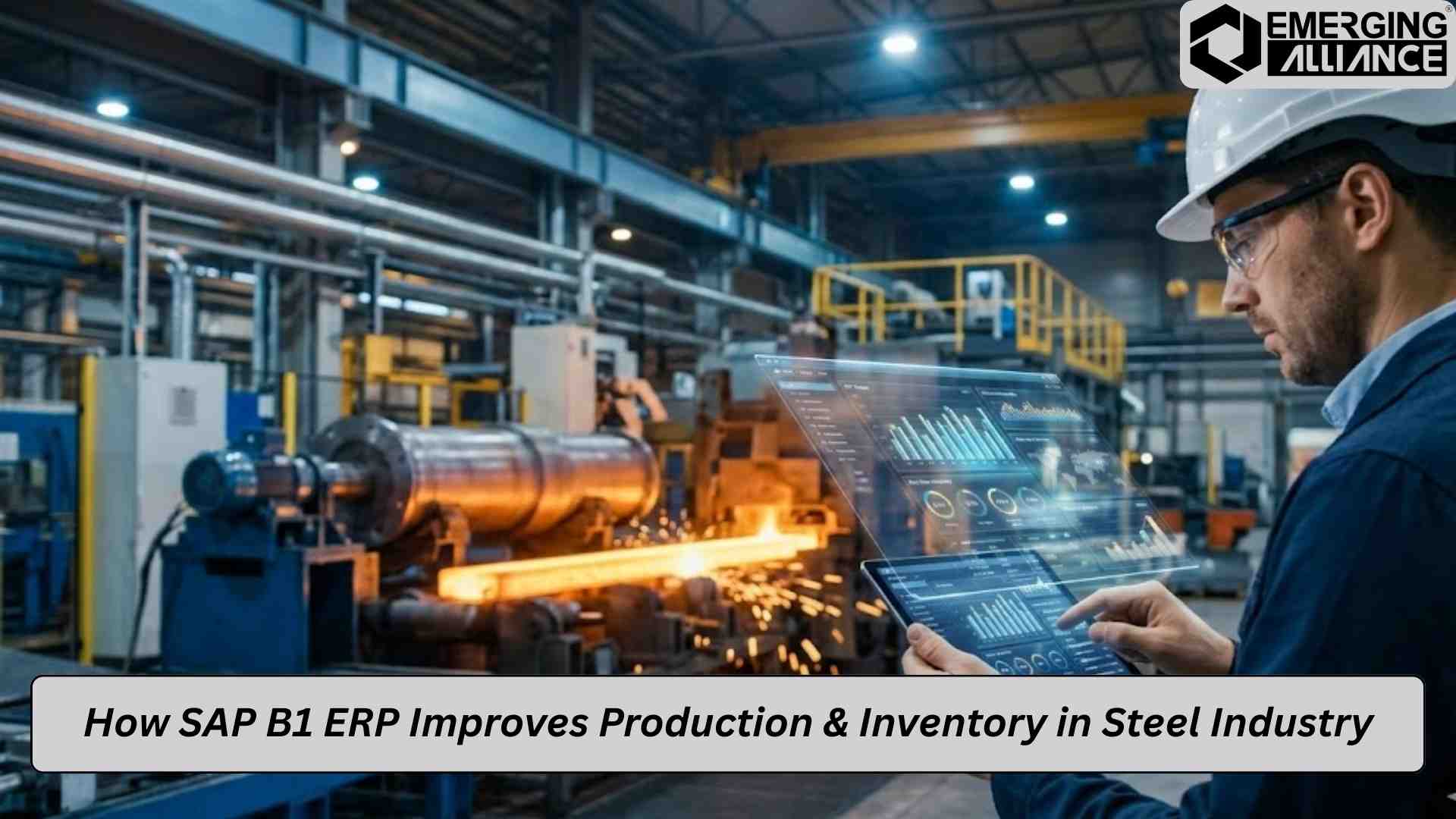
Managing production and inventory in a steel plant can be complex and costly. For mid-sized steel companies, implementing SAP B1 ERP for Steel Industry provides real-time insights, streamlines workflows, and ensures compliance. In this blog, we explore how SAP Business One transforms steel operations, helping enterprises optimize production, control inventory, and grow sustainably.Implementing SAP B1 ERP for Steel Industry allows steel plants to monitor production and inventory efficiently
Top Challenges Faced by Steel Enterprises
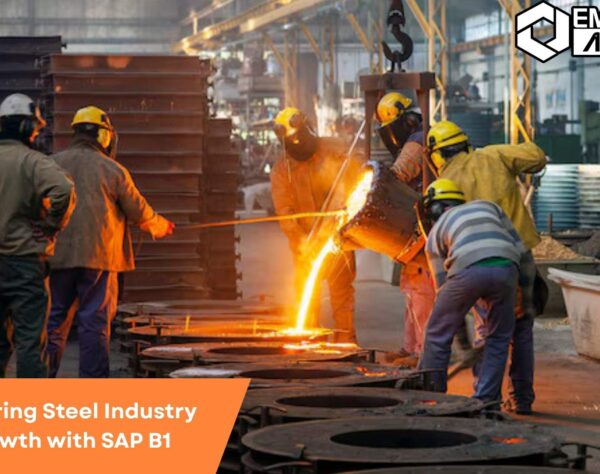
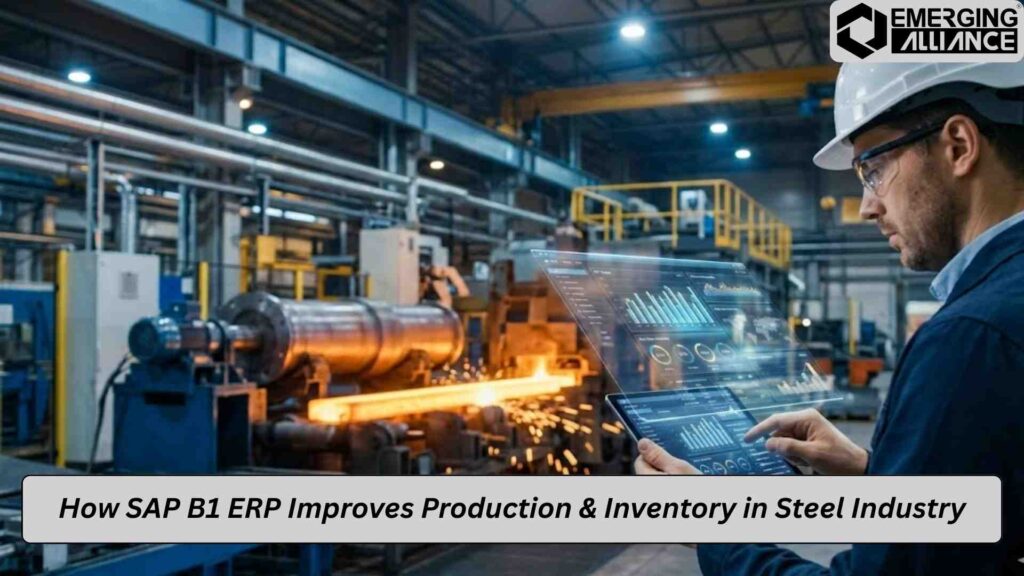
Complex production scheduling – Steel companies often struggle with planning multiple product lines, varying steel grades, and maintenance schedules. Delays can disrupt the entire supply chain.Mid-sized steel companies can leverage SAP B1 ERP for Steel Industry to reduce costs and improve workflow
Inventory management issues – High-value raw materials and finished goods require accurate tracking. Manual methods increase errors and lead to wastage.
Regulatory compliance – Steel production is subject to environmental and safety regulations. Non-compliance can result in fines and production halts.
High operational costs – Inefficient processes and lack of integration lead to unnecessary expenses in labor, storage, and energy.
Limited visibility – Without integrated ERP features, managers often make decisions based on fragmented data, impacting productivity and revenue.
How SAP Business One Helps the Steel Industry
Centralized data management – SAP B1 consolidates all operations in one platform, allowing steel companies to track production, inventory, and financials seamlessly.
Real-time production monitoring – Managers can oversee each stage of steel production, identify bottlenecks, and optimize workflows.
Automated reporting – SAP B1 ERP generates audit-ready reports for compliance, making it easier to adhere to industry regulations.
Cost control – With insights into material usage and process efficiency, SAP Business One cost-effective solutions reduce wastage and overheads.
Customizable dashboards – Steel enterprises can access KPIs and analytics tailored to their unique operations.
Key Features of SAP Business One for Steel Operations
Inventory optimization – Track raw materials, semi-finished, and finished goods in real time. Automated alerts prevent stock-outs or overstocking.
Production planning – Schedule multiple production lines efficiently, reducing downtime and maximizing throughput.
Financial integration – Manage costing, budgeting, and invoicing from the same system to enhance transparency.
Supply chain coordination – Integrate procurement, vendor management, and logistics for smoother operations.
Quality control – Ensure product consistency with embedded quality checks and reporting tools.
Maintenance management – Plan and track equipment maintenance to prevent unexpected breakdowns.
Reporting & analytics – Generate insights for strategic decision-making and operational improvements.
Elevating Your Steel Production Workflows
Streamlined workflows – SAP B1 automates repetitive tasks and integrates production with finance, HR, and procurement.
Enhanced collaboration – Departments can share data in real time, improving coordination across the steel plant.
Scalability for mid-sized steel companies – SAP B1 grows with your business, handling increased production and multi-location operations.
Improved decision-making – Data-driven dashboards and alerts allow managers to respond quickly to market changes.
7 Features That Make SAP B1 Ideal for Steel Industry Challenges
- Integrated ERP platform – Combines finance, production, and inventory management.
- Real-time tracking – Monitor raw materials, in-process goods, and finished products instantly.
- Automation of manual processes – Reduces errors and frees staff for strategic tasks.
- Advanced analytics – Predict trends and optimize production schedules.
- Compliance support – Simplifies reporting for safety and environmental standards.
- Cost management – Identifies waste and streamlines procurement.
- Scalable architecture – Supports growing steel operations without system disruption.
Future of Steel: Integrating SAP B1 for Sustainable Success
The steel sector is rapidly evolving, with emphasis on sustainability, efficiency, and digital transformation. By integrating SAP B1 for steel manufacturers, companies can:
- Reduce energy consumption through optimized production planning.
- Minimize material waste using accurate inventory tracking.
- Achieve sustainability goals while maintaining profitability.
Conclusion: SAP Business One ERP for Steel Companies
Implementing SAP Business One ERP in steel companies enables streamlined production, precise inventory management, and cost-efficient operations. Mid-sized steel enterprises can leverage its comprehensive features to overcome traditional industry challenges and establish a strong foundation for sustainable growth.
By partnering with Emerging Alliance, steel companies can seamlessly implement SAP Business One ERP to modernize operations. Emerging Alliance empowers mid-sized steel enterprises with tailored solutions, enabling efficient production planning, accurate inventory control, and optimized costs. With their expertise, businesses can overcome industry challenges and build a scalable foundation for long-term growth and competitiveness.
Frequently Asked Questions About SAP Business One for Steel Companies
What is SAP Business One ERP for Steel Manufacturers?
SAP Business One (SAP B1) is an integrated ERP solution designed to help small to mid-sized steel enterprises manage production, inventory, finance, and compliance within a single platform. Unlike generic software, SAP B1 can handle the complexities of steel manufacturing, including batch processing, multi-stage production, and high-value raw material tracking.
How Does SAP B1 Optimize Steel Production?
Steel production is capital- and time-intensive. SAP B1 enhances efficiency by:
- Real-time monitoring: Tracks furnace operations, rolling mills, and production lines.
- Automated scheduling: Prioritizes orders based on raw material availability, demand, and machine capacity.
- Downtime reduction: Alerts managers to bottlenecks, maintenance needs, or inventory shortages.
- Resource optimization: Ensures minimal scrap and efficient utilization of energy, labor, and raw materials.
Can SAP B1 Manage Complex Steel Inventory?
Absolutely. Steel companies often deal with raw materials (iron ore, scrap), semi-finished products, and finished goods across multiple warehouses. SAP B1 provides:
- Batch and lot tracking for traceability.
- Real-time updates across warehouses, production lines, and distribution centers.
- Alerts for stock shortages or excesses, preventing overproduction or idle inventory.
Is SAP B1 Cost-Effective for Mid-Sized Steel Plants?
Yes, its scalable ERP architecture helps companies:
- Reduce manual processes and paperwork.
- Minimize raw material wastage and energy costs.
- Avoid costly production errors.
- Enable data-driven budgeting and forecasting.
Key Challenges SAP B1 Solves in Steel Manufacturing
Steel enterprises face unique hurdles, including:
- Production bottlenecks due to equipment downtime or process inefficiencies.
- Inventory inaccuracies from multiple product grades and sizes.
- Regulatory compliance for safety, environmental standards, and financial reporting.
- Cost control in a commodity-driven market with fluctuating raw material prices.
- Limited visibility into multi-stage production and supply chain data.
SAP B1 tackles all these with a centralized, transparent ERP system.
Customization & Integration for Steel Enterprises
SAP B1 offers:
- Dashboards & reports: Track KPIs like furnace yield, scrap rates, energy consumption, and order fulfillment.
- Modules: Tailor procurement, production, sales, and finance to steel-specific processes.
- Integration: Works with MES, HR systems, logistics software, and plant-floor automation tools.
Compliance and Reporting Capabilities
Steel companies must comply with ISO, safety, and environmental regulations. SAP B1:
- Generates audit-ready reports automatically.
- Tracks production and inventory data for traceability and certifications.
- Supports environmental reporting, e.g., emissions or energy consumption metrics.
Implementation Timeline
Mid-sized steel plants: Typically 3–6 months.
Large-scale operations: Can extend to 6–12 months depending on customization and integration.
Change management: Employee training and phased rollouts help ensure smooth adoption.
Top Benefits of SAP B1 for Steel Manufacturers
- Enhanced operational efficiency through real-time visibility.
- Lower production and inventory costs via optimized resource management.
- Improved compliance and reporting with automated audit-ready outputs.
- Data-driven decision-making for production planning, sales, and procurement.
- Scalability and customization to grow with business needs.