
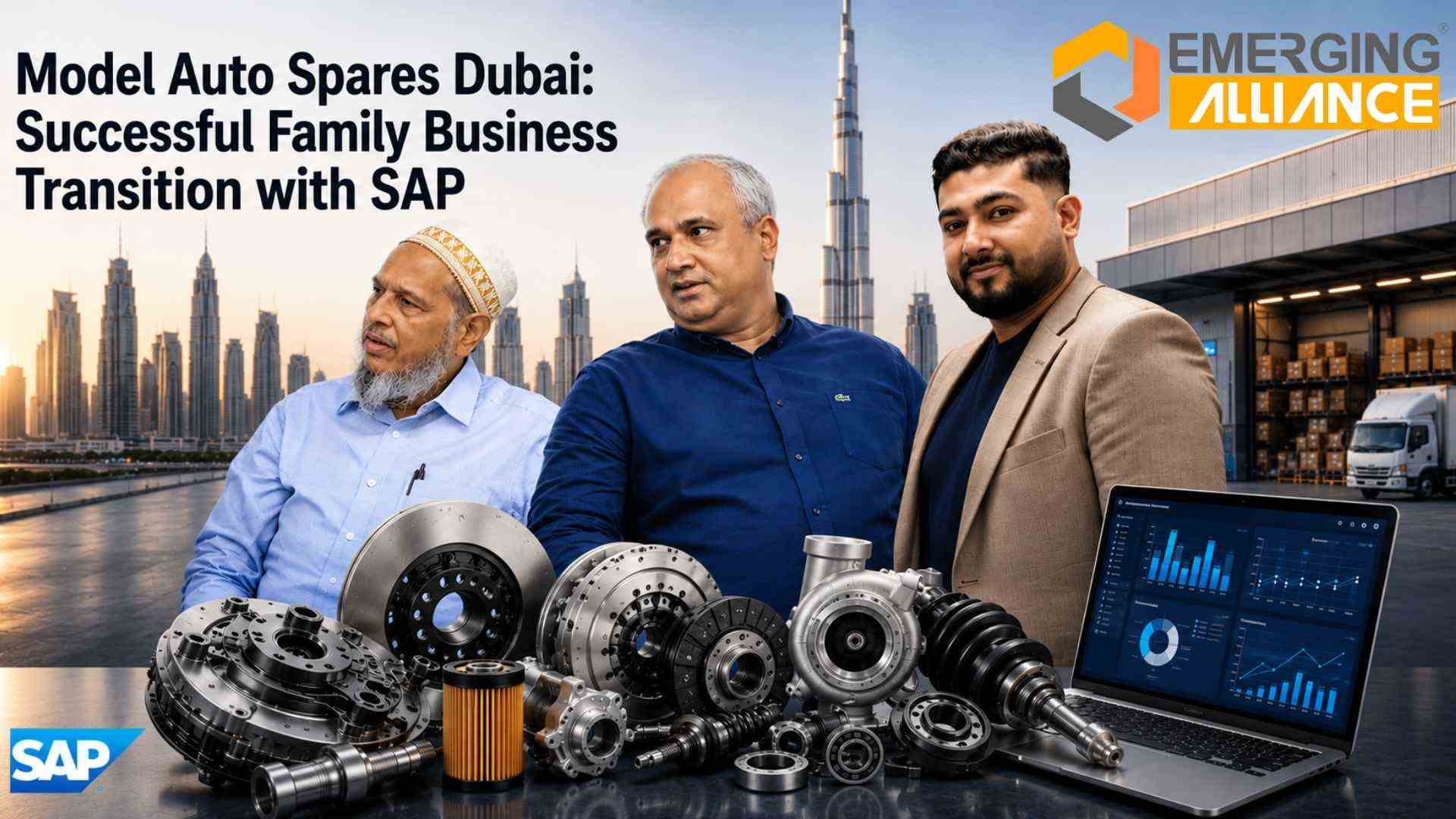
Case Study: Model Auto Spares Dubai: Successful Family Business Transition with SAP
How Emerging Alliance Institutionalized Model Auto Spares for a Seamless Family Business Transition
Client Overview
Client Name: Model Auto Spares – Dubai
Industry: Auto Spares Wholesale & Retail Distribution
Promoter: Mr. Abdul Hai (Founder – First Generation)
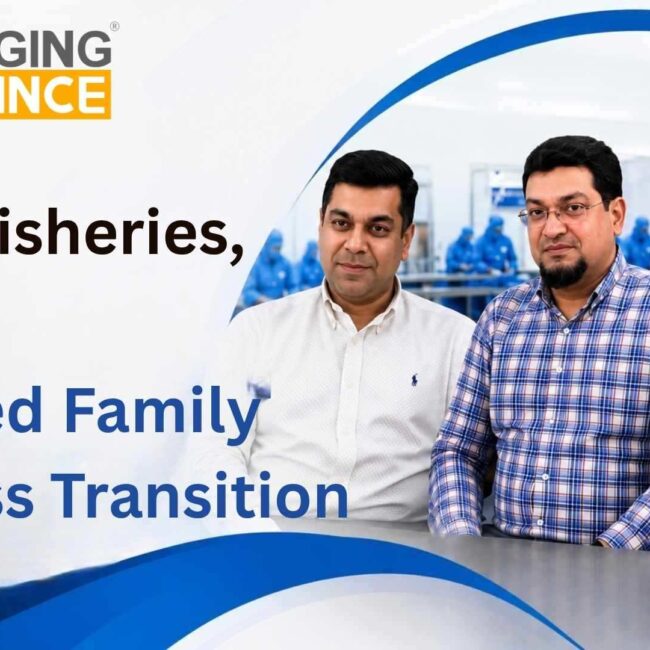
Successors: Mr. Tariq & Mr. Abid (Second Generation)
Business Context
Model Auto Spares was a well-established 25+ year old trading and distribution company, built through strong relationships, deep market knowledge, and founder-driven decision-making.
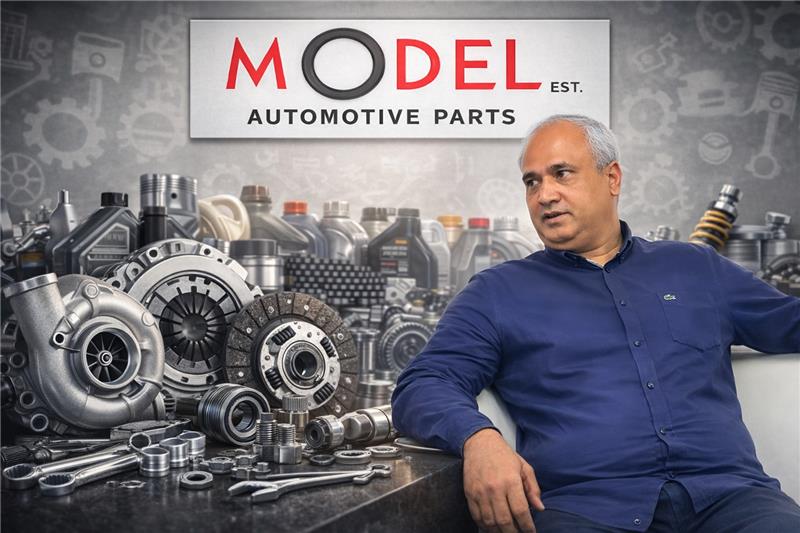
Mr. Abdul Hai
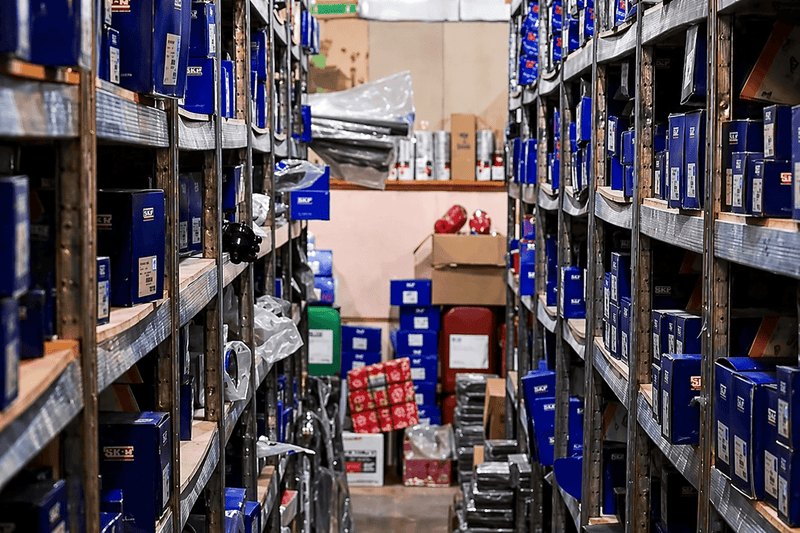
Model Auto Warehouses
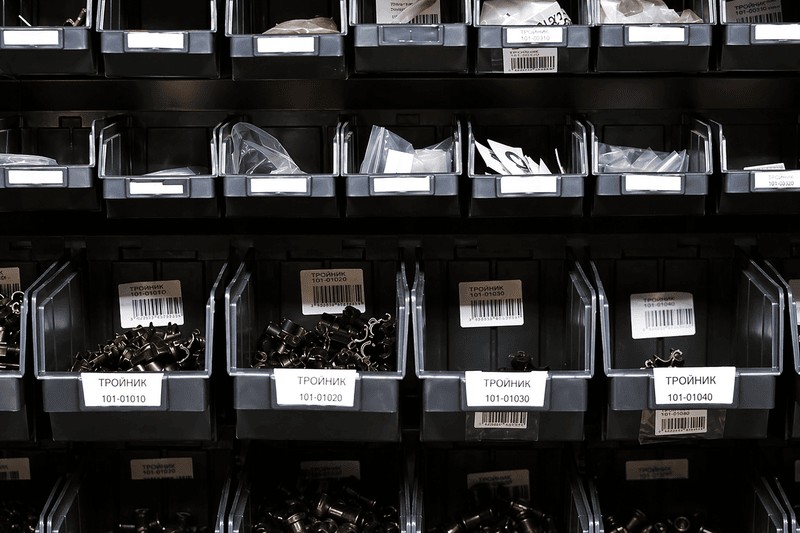
Model Auto Products
Mr. Abdul Hai, the founder, was the central pillar of the business:
- Personally handled key customers and suppliers
- Made pricing decisions based on experience
- Managed inventory through intuition
- Maintained operational control through informal processes
While this model worked effectively for years, the business was highly dependent on the founder’s knowledge and presence.
The Challenge: Transition Risk
As the next generation — Mr. Tariq and Mr. Abid — stepped into the business, they aimed to:
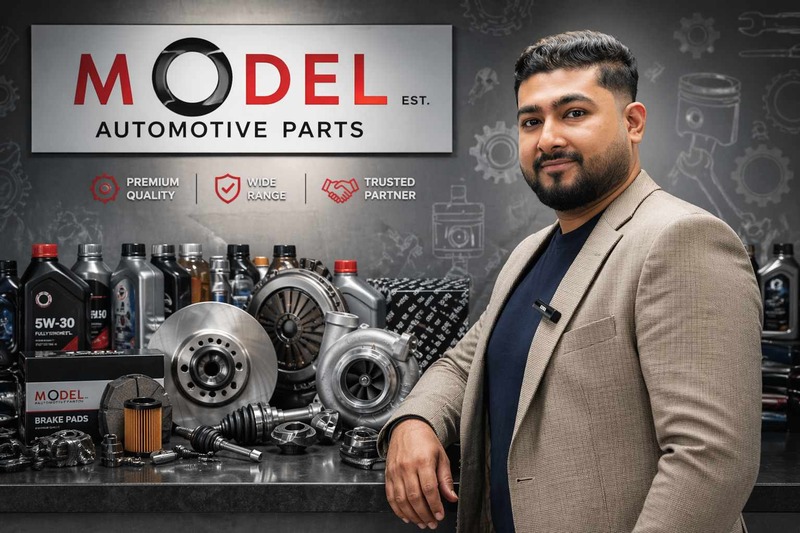
Mr. Tariq
- Scale operations
- Improve profitability visibility
- Introduce structured growth
- Compete in a more organized and data-driven market
However, they faced critical challenges:
- No real-time visibility into profitability and inventory
- Data spread across spreadsheets and fragmented systems
- Decisions dependent on individual knowledge rather than processes
- Lack of standardized workflows and controls
- Difficulty in aligning operations across departments
The business was successful… but not system-driven.
And this created a significant risk during leadership transition.
The Approach: How Emerging Alliance Institutionalized Model Auto Using SAP
Model Auto Spares partnered with Emerging Alliance (EA) to systematically eliminate founder dependency by embedding business logic directly into the SAP S/4HANA platform.
Instead of advisory-level changes, EA executed a system-led transformation across three pillars:
1. Process Discipline – Built into SAP Workflows
EA translated informal, experience-driven processes into configured SAP business workflows:
- Designed and implemented Sales Order → Delivery → Billing cycle within SAP
- Configured Procure-to-Pay (P2P) workflows with vendor approval hierarchies
- Standardized inventory movements (GRN, stock transfers, returns) with system validations
- Embedded multi-level approval workflows for pricing, discounts, and procurement
- Introduced role-based access controls (RBAC) to restrict unauthorized actions
👉 Result: Every transaction now follows a defined SAP-driven process, not individual judgment.,
2. Data Visibility – Real-Time Insights Through SAP
EA established SAP as the single source of truth, eliminating fragmented Excel-based reporting:
- Implemented real-time dashboards for sales, inventory, receivables, and margins
- Configured profitability analysis (by product, customer, and region)
- Enabled live stock visibility across warehouse locations
- Built aging reports (AR/AP) directly from SAP for financial control
- Integrated all departments into a centralized SAP database architecture
👉 Result: Leadership now operates on live, reliable data, not delayed reports.
3. Institutional Control – System-Driven Governance
EA replaced founder-led control with SAP-enforced governance mechanisms:
- Configured approval matrices for financial transactions and exceptions
- Activated audit trails for every transaction and master data change
- Enforced segregation of duties (SoD) within SAP roles
- Implemented budget controls and spending validations
- Established compliance-ready financial reporting structures
👉 Result: Control shifted from “who decides” to “what the system allows.”
The SAP Backbone
All of the above was executed through a fully integrated SAP environment:
- Unified Sales, Procurement, Inventory, and Finance in one system
- Eliminated duplicate data and manual reconciliations
- Created a scalable ERP foundation ready for multi-branch expansion
What EA Actually Delivered (The Real Differentiator)
EA didn’t just implement SAP — it translated the founder’s business logic into the system:
👉 Business rules → configured as SAP workflows
👉 Experience → converted into approval logic
👉 Informal control → enforced through system governance
The Transformation
The organization transitioned from:
- Founder-driven → Process-driven operations
- Fragmented data → Integrated business insights
- Department silos → Unified enterprise visibility
The focus was not just technology implementation —
it was about building a business that can run independently of individuals.
Model Auto Spares Dubai Before vs After SAP-Led Transformation with Measurable Impact
Enabled by Emerging Alliance
| Area | Before SAP (Founder-Driven) | After SAP (EA + SAP-Enabled) | Measured Impact |
| Decision Making | Experience-based, dependent on founder | Data-driven decisions using real-time SAP dashboards | ⚡ 60–70% faster decision cycles |
| Sales Process | Manual quotes, inconsistent pricing & discounting | Standardized Order-to-Cash with approval workflows | 📈 15–20% improvement in order processing speed |
| Procurement | Reactive buying, vendor-driven decisions | Structured Procure-to-Pay with approval hierarchy | 💰 8–12% reduction in procurement costs |
| Inventory Management | Stock mismatches, overstock & stock-outs | Real-time inventory visibility across warehouses | 📦 20–30% inventory optimization |
| Data & Reporting | Excel-based, delayed reporting | Live dashboards with single source of truth | ⏱ Reporting time reduced by 80–90% |
| Financial Control | Manual tracking, delayed collections visibility | Automated AR/AP, aging and credit control in SAP | 💵 15–25% faster collections (DSO reduction) |
| Profitability Visibility | No clear margin tracking | Profitability by product, customer & region | 📊 10–15% margin improvement (through better pricing control) |
| Approvals & Governance | Informal approvals, dependency on individuals | System-driven approval workflows in SAP | 🔒 100% traceability of approvals |
| Audit & Compliance | Limited audit trail, high compliance risk | Full audit logs and controlled processes | ✔️ 100% audit readiness |
| Business Continuity | High dependency on founder | System-driven operations | 🚀 90% reduction in key-person dependency risk |
| Scalability | Difficult to scale operations | ERP-ready for multi-branch expansion | 🌍 Enabled 2–3x scalable growth capacity |
| Accountability | Undefined ownership | Role-based responsibilities in SAP | 👥 Clear ownership across all functions |
Business Impact Summary (Boardroom Slide Ready)
👉 20–30% Inventory Optimization
👉 15–25% Faster Collections (Improved Cash Flow)
👉 8–12% Procurement Cost Reduction
👉 10–15% Margin Improvement
👉 80–90% Faster Reporting
👉 60–70% Faster Decision Making
Strategic Outcome
👉 Model Auto Spares didn’t just implement SAP.
👉 They unlocked working capital, improved margins, and de-risked leadership transition.
Most importantly, the business became transition-ready.
Key Takeaway
Model Auto Spares’ journey highlights a critical truth:
Family businesses do not fail because of competition —
they fail when the transition is not structured.
By institutionalizing processes and leveraging SAP ERP,
the company successfully moved from a legacy-driven model to a scalable enterprise.
Conclusion
With the right structure, systems, and approach,
family-run businesses can not only survive transition —
they can accelerate growth in the next generation.
Emerging Alliance continues to partner with organizations like Model Auto Spares to ensure that:
👉 Legacy is preserved
👉 Operations are system-driven
👉 Growth is sustainable